The Everything Guide To Planning A Cruise
Whether you like it or not, cruises touch on a tantalizing vacation trifecta: good value, hassle-free planning, and the promise of adventure. Pay an upfront rate and you’ve got a floating hotel, three meals a day, ample entertainment and activities, luxe services, and an expert itinerary in multiple destinations. Now add to that the fact that you only have to unpack your bags once. We know the reputation that cruises still have, but even staunch non-cruisers will want to become first-timers after considering this stress-free kind of travel. Whether you’re a cruising veteran or an absolute beginner, you’ll find everything you need to prepare for your next floating getaway in this comprehensive guide.
By Michael Alan Connelly
Michael Alan Connelly is the Editor of Fodors.com. Follow him on Twitter: @malanconnelly.
-
-
-

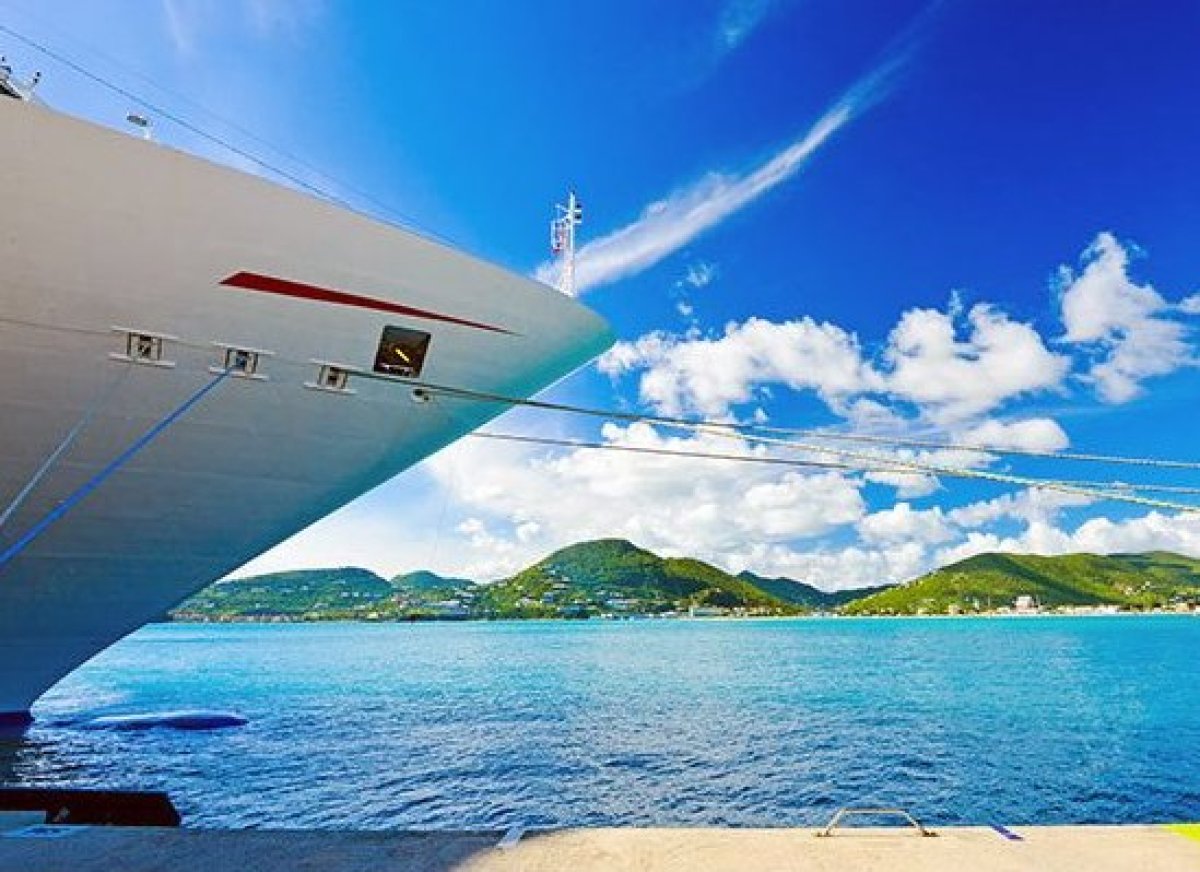
Photo Credit: Andrey_Popov / ShutterstockDeals can be had just about any time of the year, but there’s a lot of hoopla around annual industry sale events like National Cruise Vacation Week in October and “wave season,” which runs from January through March. Travel agents and tour packagers also often stage their own sales to coincide with holidays like the Fourth of July and Labor Day. Perks can include reduced deposits, discounted cruise fares, two-for-one deals, onboard credit, free kids’ fares, cabin category upgrades, prepaid gratuities, complimentary beverage packages, free specialty restaurant reservations, and gratis shore excursions or spa treatments. If you’re in the market for a cruise-savvy travel agent, Cruise Lines International Association maintains a database of trusted professionals.
-
-
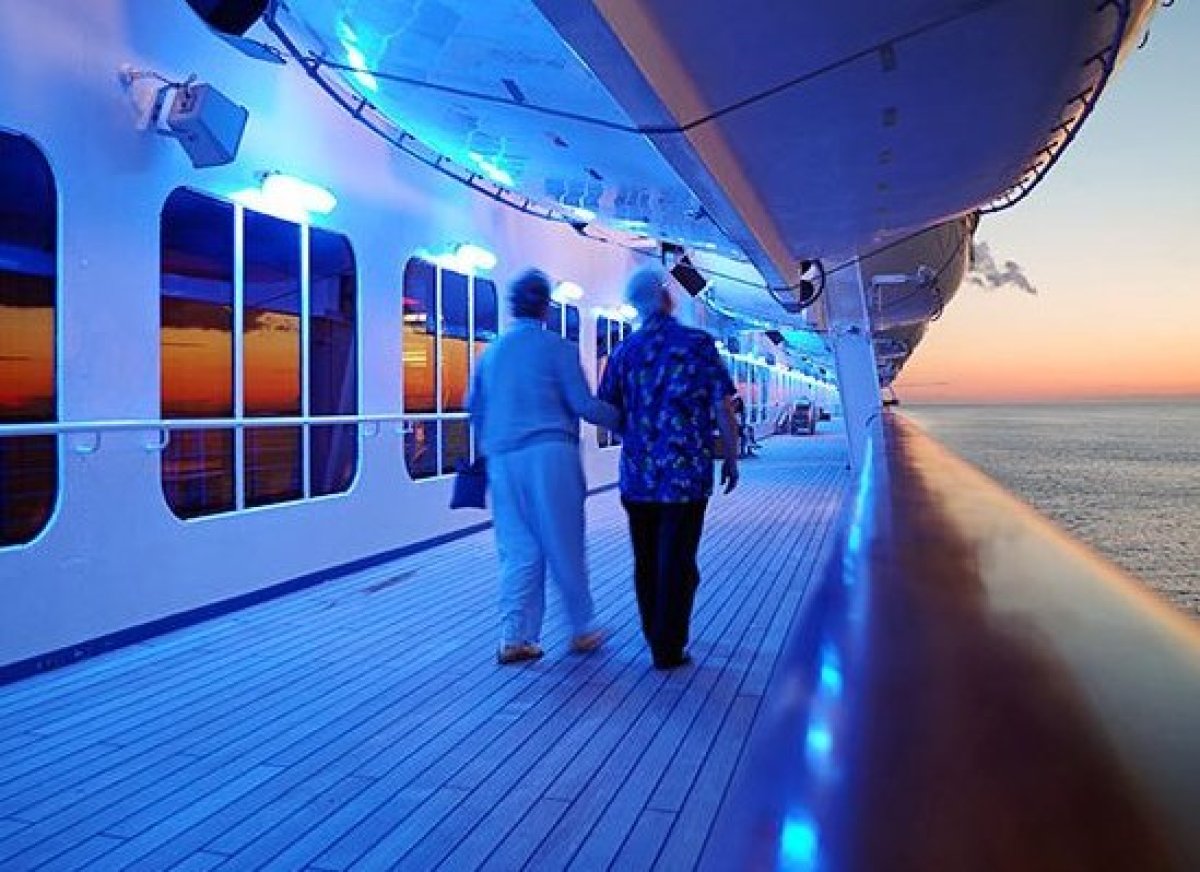
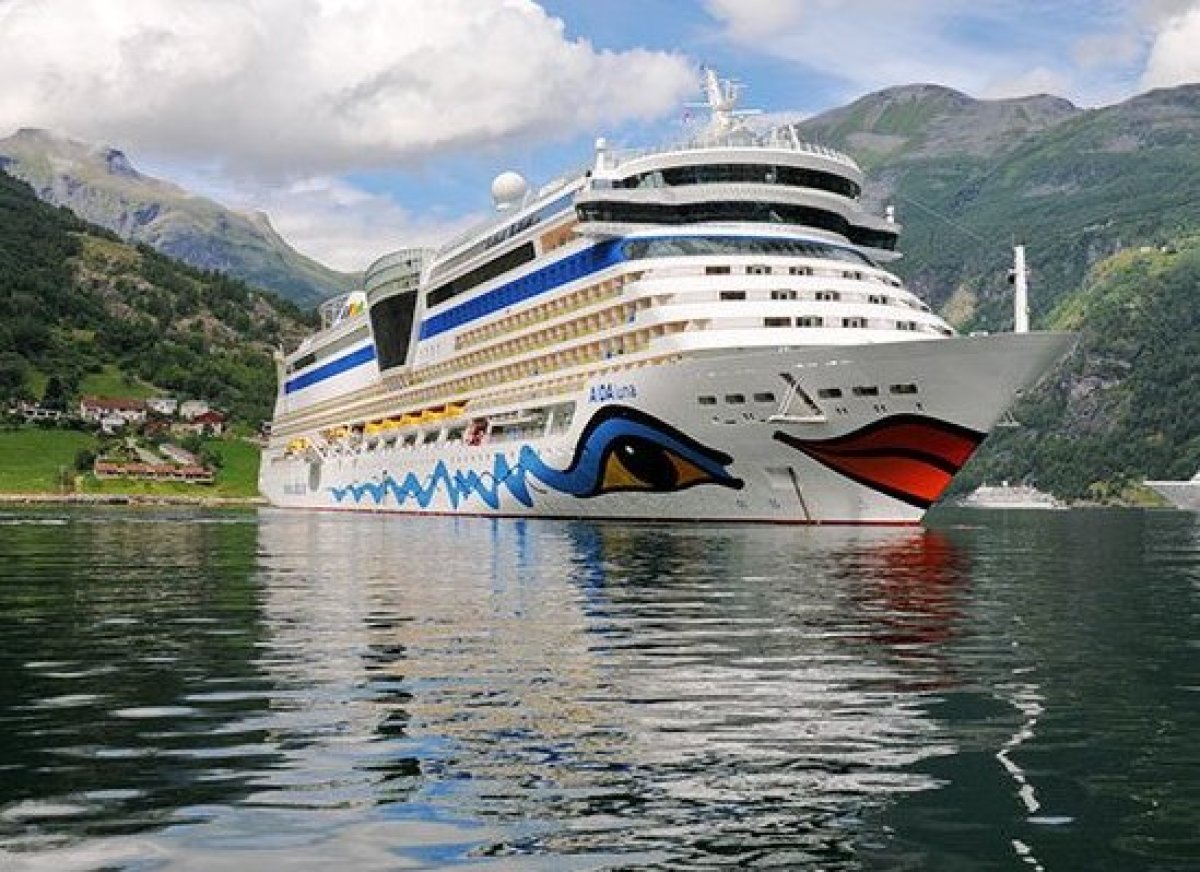
Photo Credit: IkeHayden / ShutterstockCruise lines fall into three basic categories, ascending in level of sophistication and service, and, predictably, price: mainstream (Carnival, Norwegian, Royal Caribbean), premium (Celebrity, Holland America, Princess), and luxury (Crystal, Regent Seven Seas, Silversea).
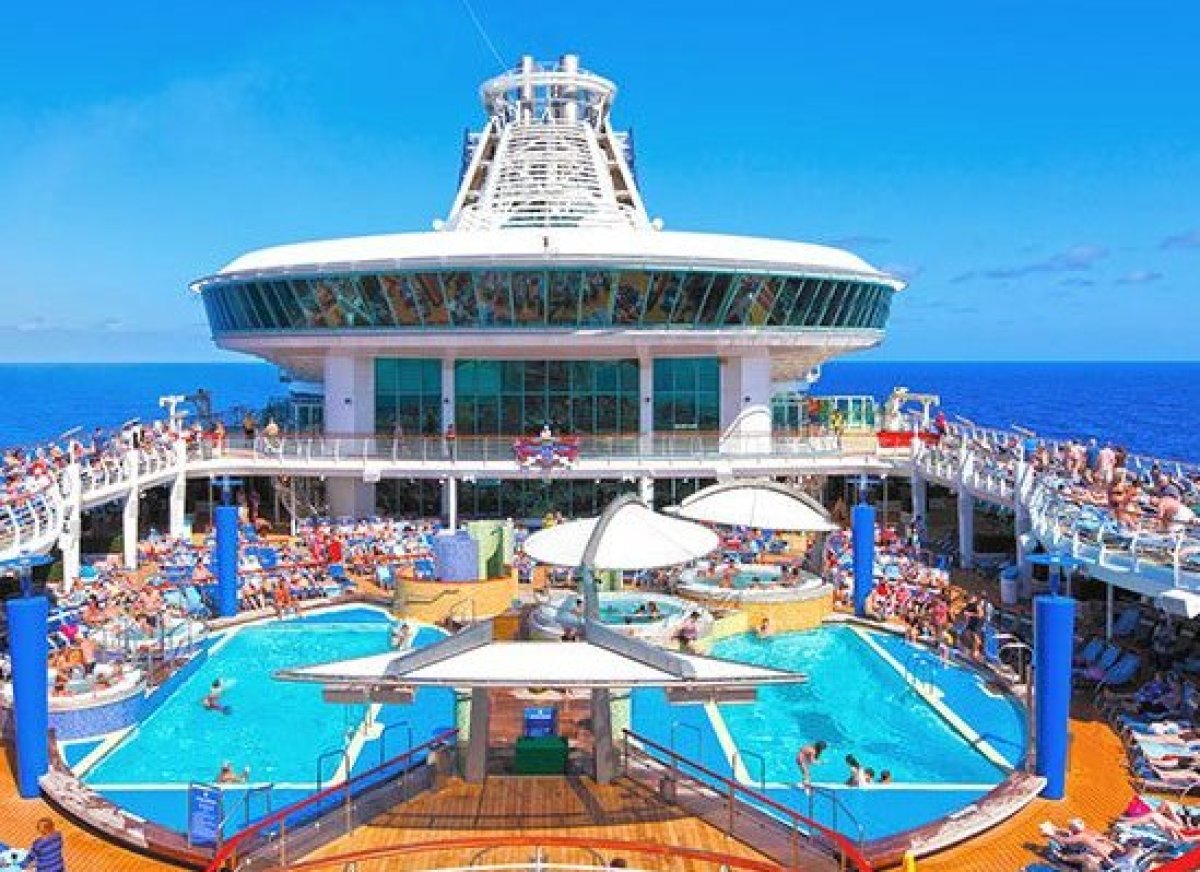
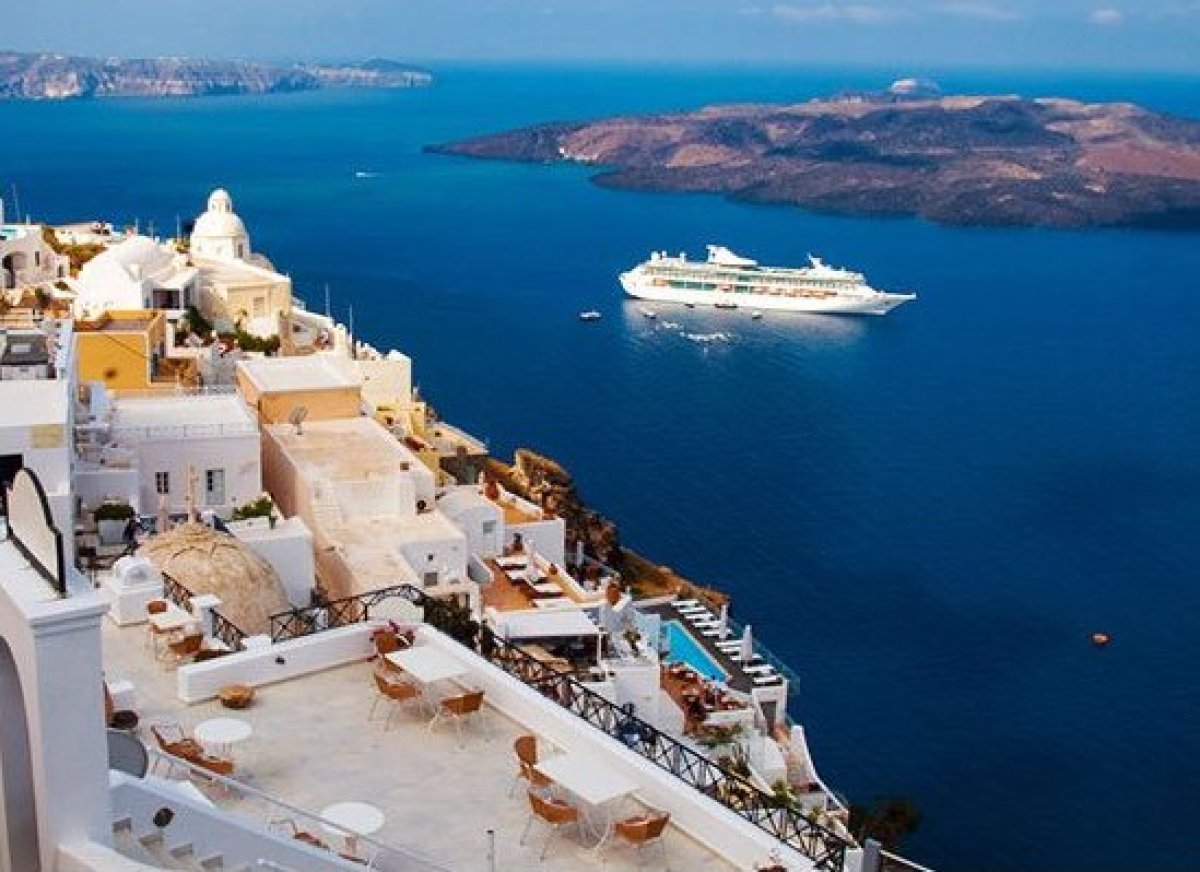
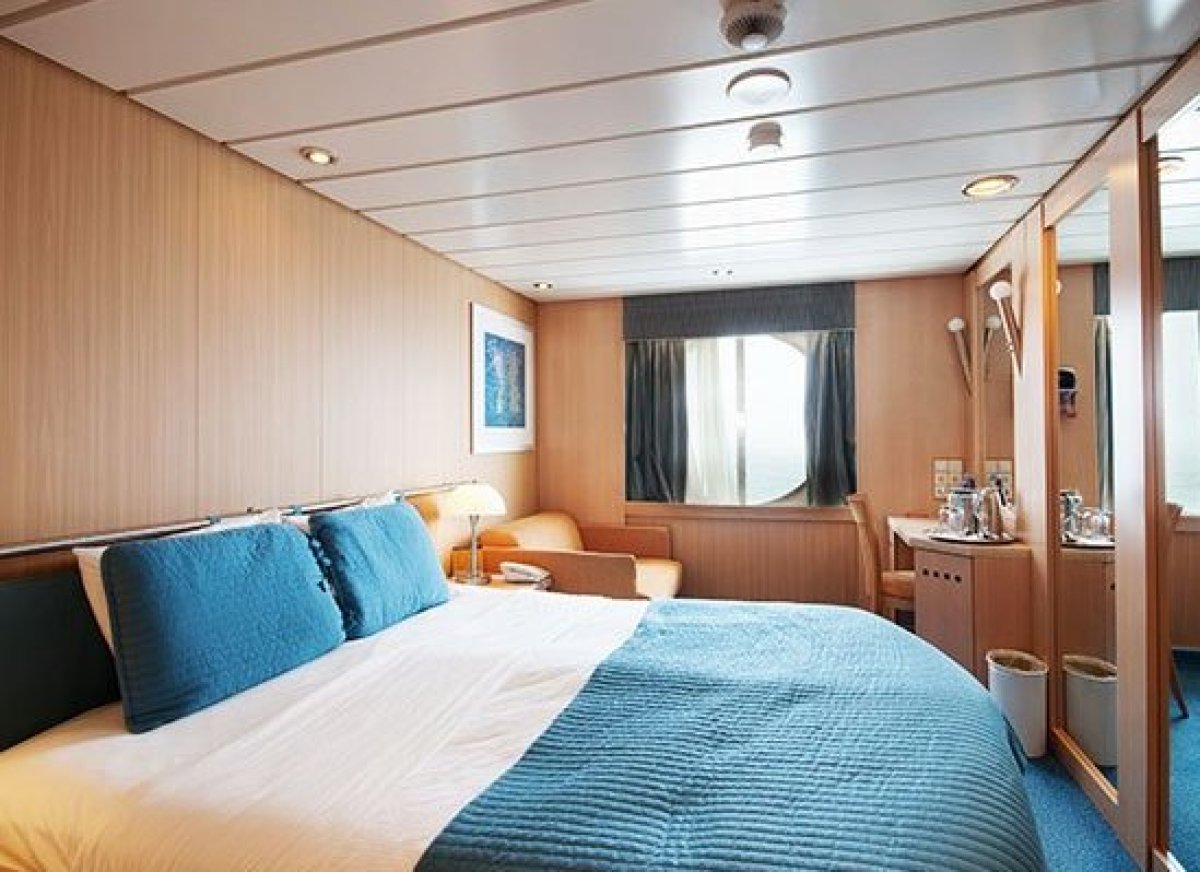
Tailor your cruise by selecting a suitable ship in terms of size and onboard offerings (bigger cruise ships offer anonymity and oodles of amenities; smaller ships offer more intimacy and quiet, and access to smaller ports); like-minded clientele (fun-in-the-sun partiers, toddler-toting families, or sophisticated socialites–numbering anywhere from 10 passengers to 6,000), and of course, price (mass-market lines like Carnival and Royal Caribbean dole out bargains, but charge for à la carte extras, while luxury lines like Silversea and Seabourn are more all-inclusive with heftier upfront price tags).
-
-

-
-

-

More from Fodors.com:
10 Best Halloween Celebrations in the US
Where to Eat in NYC for Fall 2014
4 Reasons to Explore the Alentejo
Leave a Reply